

Building Industry 4.0 — and Complex Aerospace Parts Right the First Time
Western Precision Products, Inc. | Tualatin, OR, USA
Key Takeaway
Western Precision Products transformed from a traditional job shop into a high-confidence aerospace and space supplier by standardizing programming, building repeatable processes, and enabling automation across the entire shop floor using hyperMILL® CAD/CAM software. Standardization became the foundation that allowed automation, process reliability, and scalable growth into high-value aerospace and space manufacturing.
Customer Testimonial
Western Precision Products evolved to a high-confidence aerospace and space supplier by standardizing programming and implementing a fully digital Industry 4.0 workflow powered by hyperMILL® CAD/CAM.
With 5-axis machining, digital twin simulation, automated probing, and NC-code optimization, WPP eliminated scrap, reduced setup time, and achieved predictable first-pass results on complex aerospace housings, brackets, and tight-tolerance components.
The result: validated processes, lights-out manufacturing, and complex aerospace parts running right the first time.
“With hyperMILL®, you don’t have to worry about the code. You know it’s going to work. That means faster programming, less scrap, and more confidence on every job.”
Denton Lewis, CAM Manager, Western Precision Products
The Journey with hyperMILL® CAD/CAM
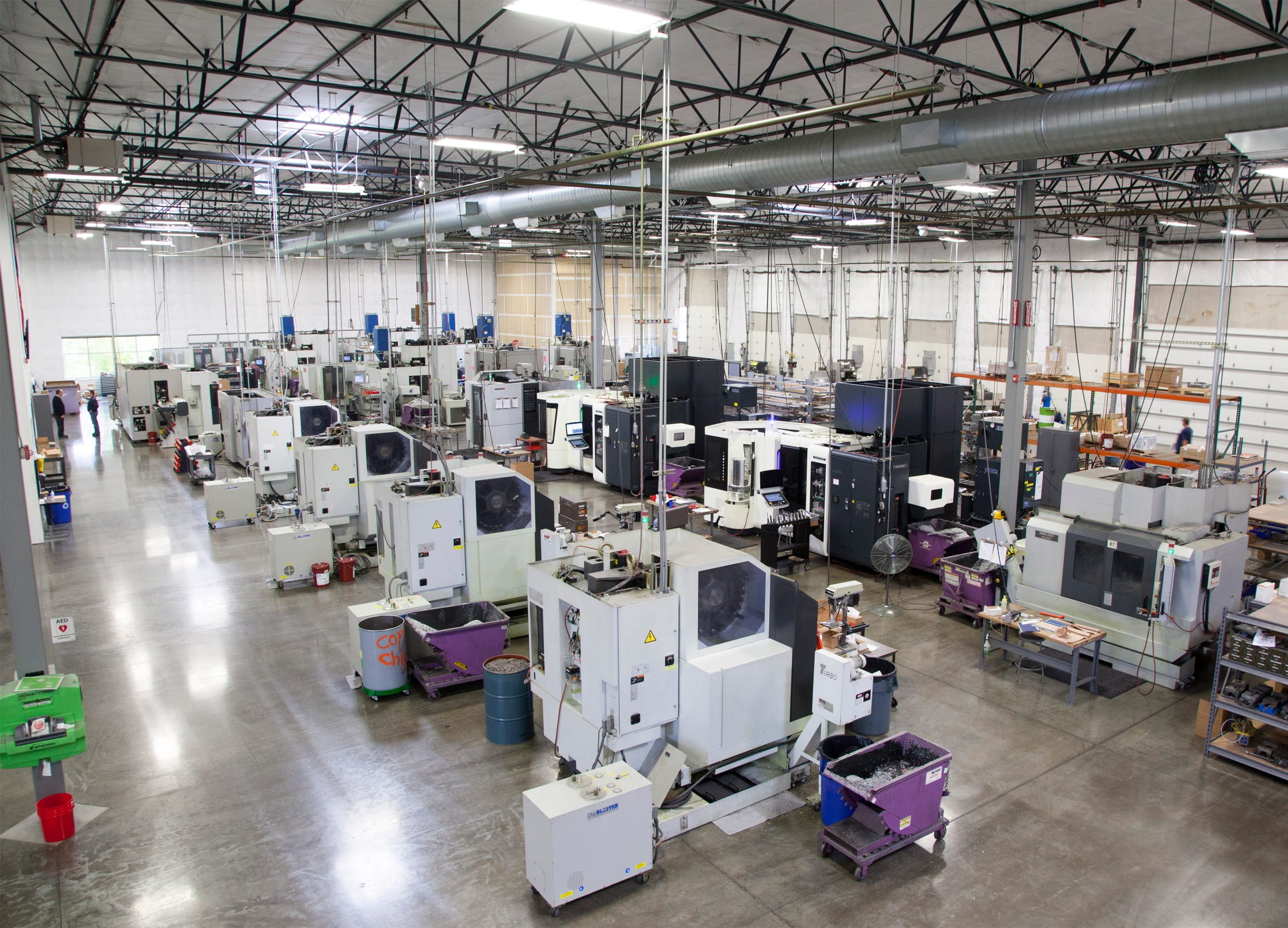
Western Precision Products has been a precision manufacturer for more than 35 years, operating near Portland, Oregon, and employing approximately 60 people.
In 2017, the company selected hyperMILL® CAM software for its extensive 5-axis capabilities and advanced machining strategies. What began as a solution for complex multi-axis work quickly evolved into the digital backbone of their entire operation.
Today, WPP serves the aerospace, space, and electronics industries, along with hydraulics, power supply equipment, semiconductor processing, and testing and measurement sectors. The company manufactures a wide range of parts — from structural aerospace brackets and housings to precision electronic components and high-volume production parts requiring tight geometric control and consistent surface finishes.
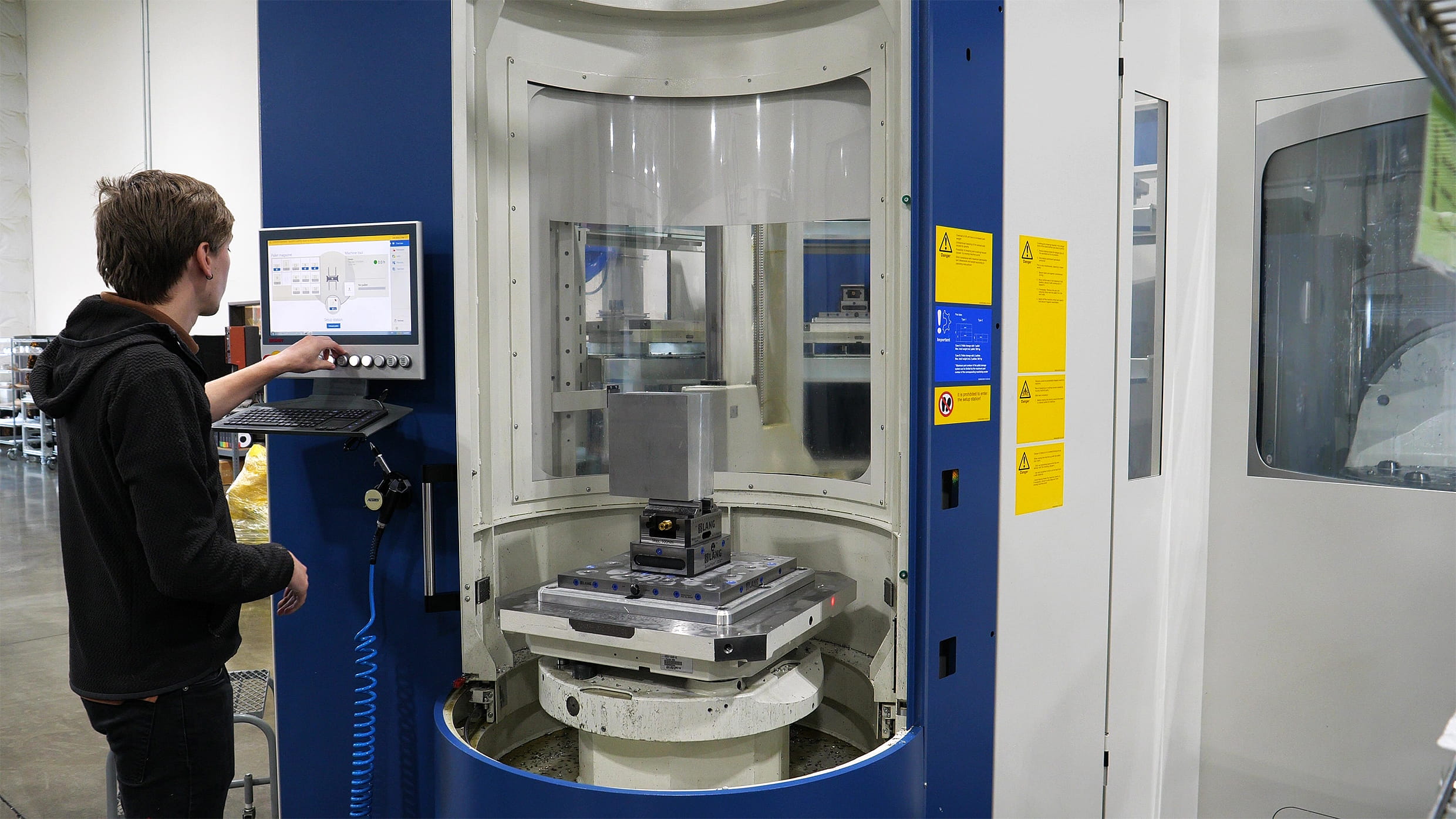
Denton Lewis, CAM Manager at Western Precision Products, interfaces with a GROB G-552, a cornerstone of the facility's high-complexity production line.
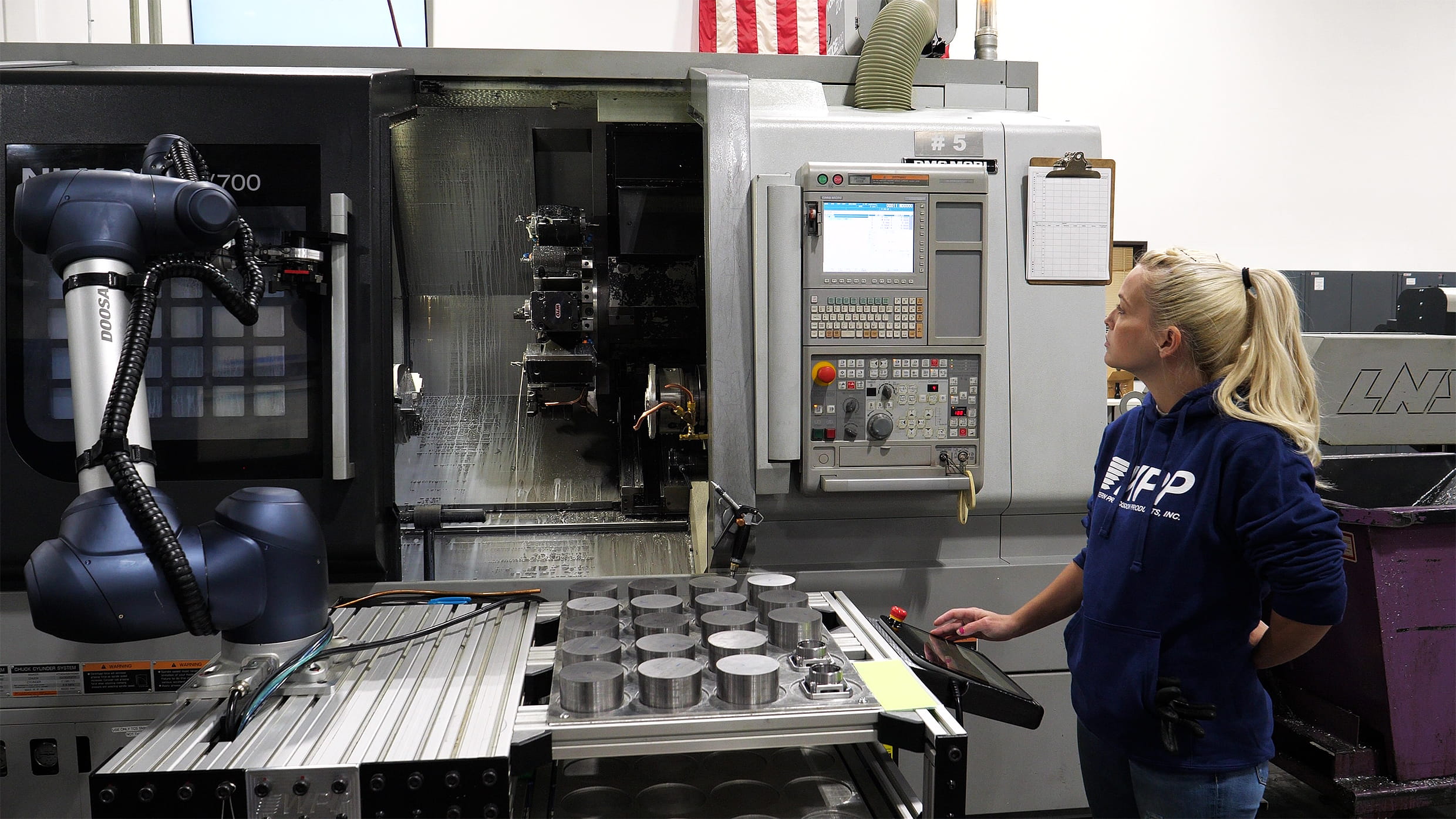
A WPP machinist oversees the DMG MORI NLX 2500/700, a high-rigidity turning center, while a Doosan cobot manages the automated handling of workpieces enabling "lights-out" manufacturing.
Virtual Machine: Collision-Free Prove-Out and Reliable 5-Axis Performance
With hyperMILL® VIRTUAL Machining Center, WPP enabled simulation of machining processes using both CAM data and real NC code. This allows the team to detect collisions across the tool, holder, fixture, and machine, verify programs before cutting material, and achieve faster and safer prove-out processes.
The system also intelligently resolves machine axis limit challenges by automatically adjusting toolpath direction when necessary, helping prevent machine alarms and improving overall reliability — especially critical when machining large structural components or multi-surface aerospace parts.
Along with other hyperMILL® solutions that enhanced process reliability, the Optimizer became a key performance driver.
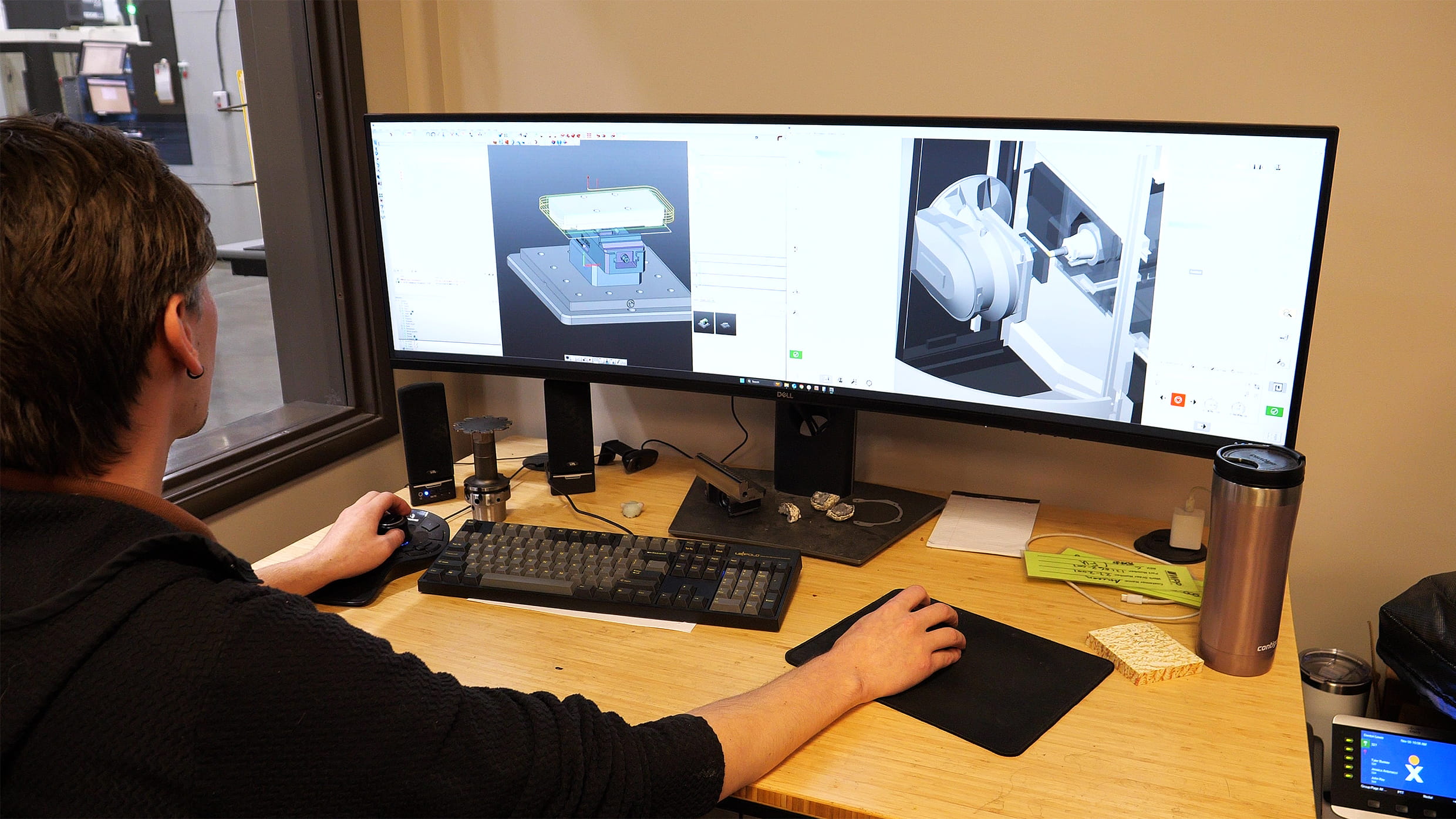
Denton Lewis, CAM Manager at Western Precision Products, utilizes hyperMILL® to perform a digital twin simulation of a complex machining operation.
When WPP implemented a high-density pyramid fixture to increase lights-out cycle time on multi-part aerospace runs, they faced the challenge of adjusting connection moves and managing axis limits. Instead of relying on trial and error, the Optimizer determined the proper retraction distance and optimized movements based on real machine behavior.
“It was fascinating to watch how the Optimizer kept the tool paths as close as possible to the pyramid while avoiding the stock,” said Denton Lewis, WPP CAM Manager.
The Optimizer is also critical for determining toolpath solutions within the machine’s axis limits. “I used to struggle with axis limits when trying to fit a part inside a machine’s envelope,” Lewis explained.
With the Optimizer integrated into hyperMILL®’s Virtual Machine, it automatically and intelligently finds not only a viable toolpath solution but also detects theoretical axis limit violations before posting the code.
Get more out of your 5-axis machining
Western Precision Products reduced setup times and improved process reliability with hyperMILL®.
Let’s explore what similar results could look like in your production.
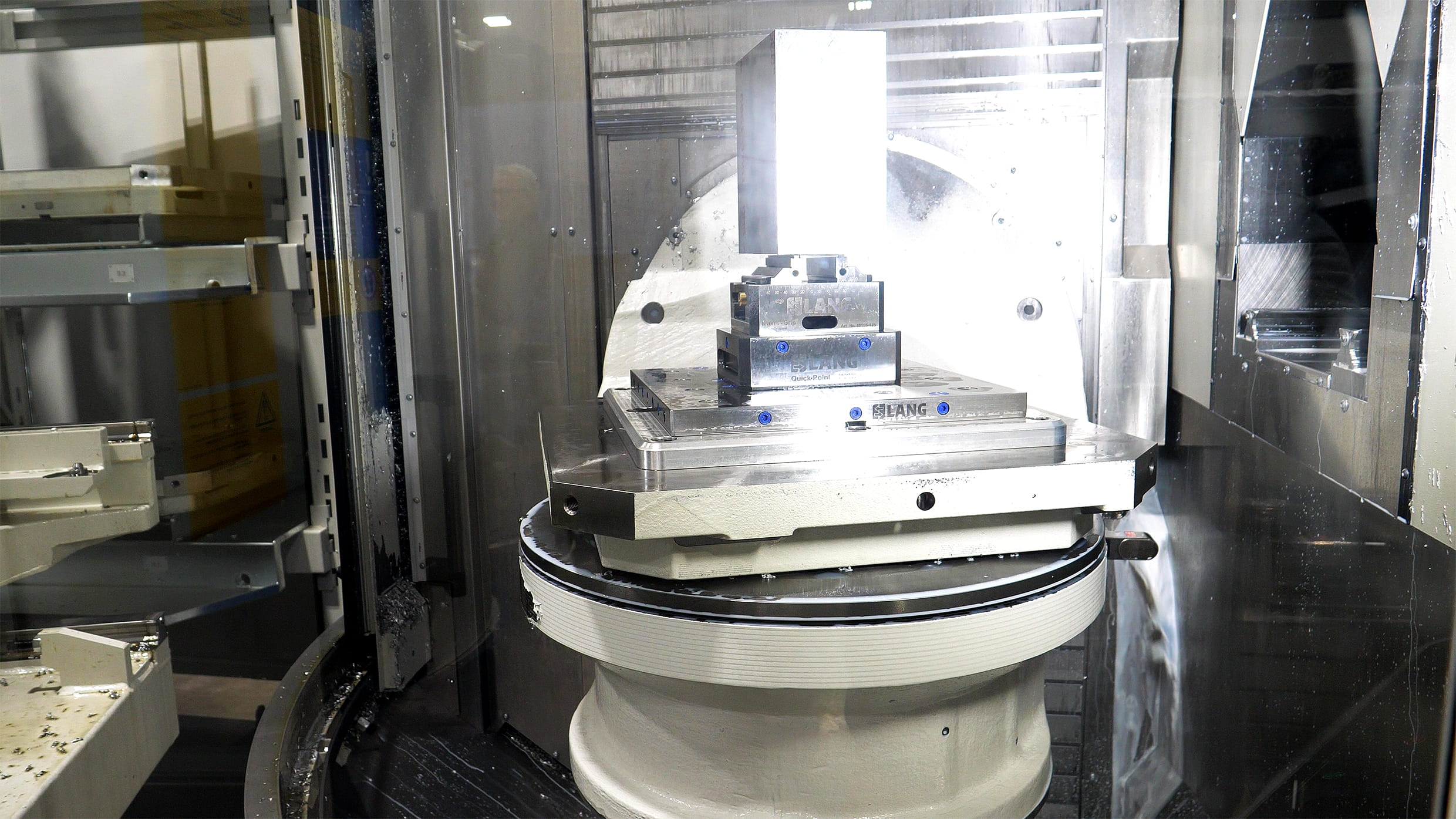
Interior view of the GROB G-552 machining envelope captures a high-tolerance aluminum workpiece secured for a complex 5-axis operation, designed for high-precision aerospace and medical component manufacturing.
Automated Probing for Repeatable Precision, Zero-Scrap, and Confidence
As WPP took on increasingly tight-tolerance aerospace components, probing became a critical part of maintaining process stability. Rather than relying on manual probing at the control — which consumes valuable spindle time and introduces variability — the team integrated hyperMILL® PROBING strategies into the CAM workflow.
This workflow identifies the true part position regardless of fixture variation and enables WPP to machine more complex parts with precise detail and repeatability.
“hyperMILL® [Probing] really allows you to make these really tight tolerance parts without having to worry about what state your machine is in,” Lewis noted.
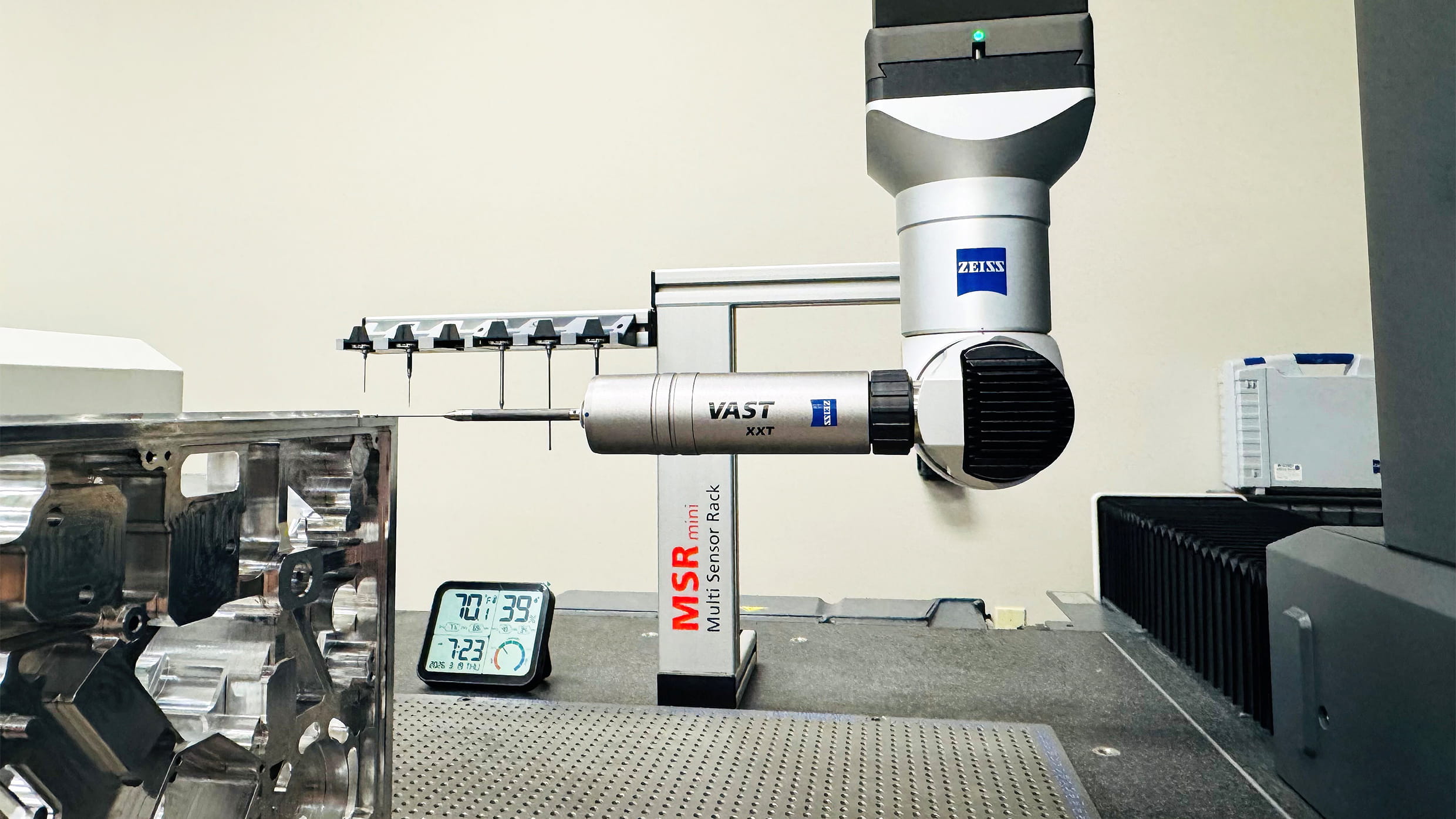
Probing sequence on multi-axis milled housing with thin walls verifying complex internal geometries to meet precise specifications.
One of the most significant breakthroughs came while producing one of their largest and most complex parts in high volumes. The challenge was not just machining it once — it was machining it consistently across hundreds of runs.
The solution came through automated probing routines that accurately located the part during every cycle. By slightly loosening the fixtures and setting the work offset directly from the measured part geometry each time, the process became fully repeatable.
With hyperMILL® PROBING, the real difference became clear: the team “never had to worry about making scrap parts again”
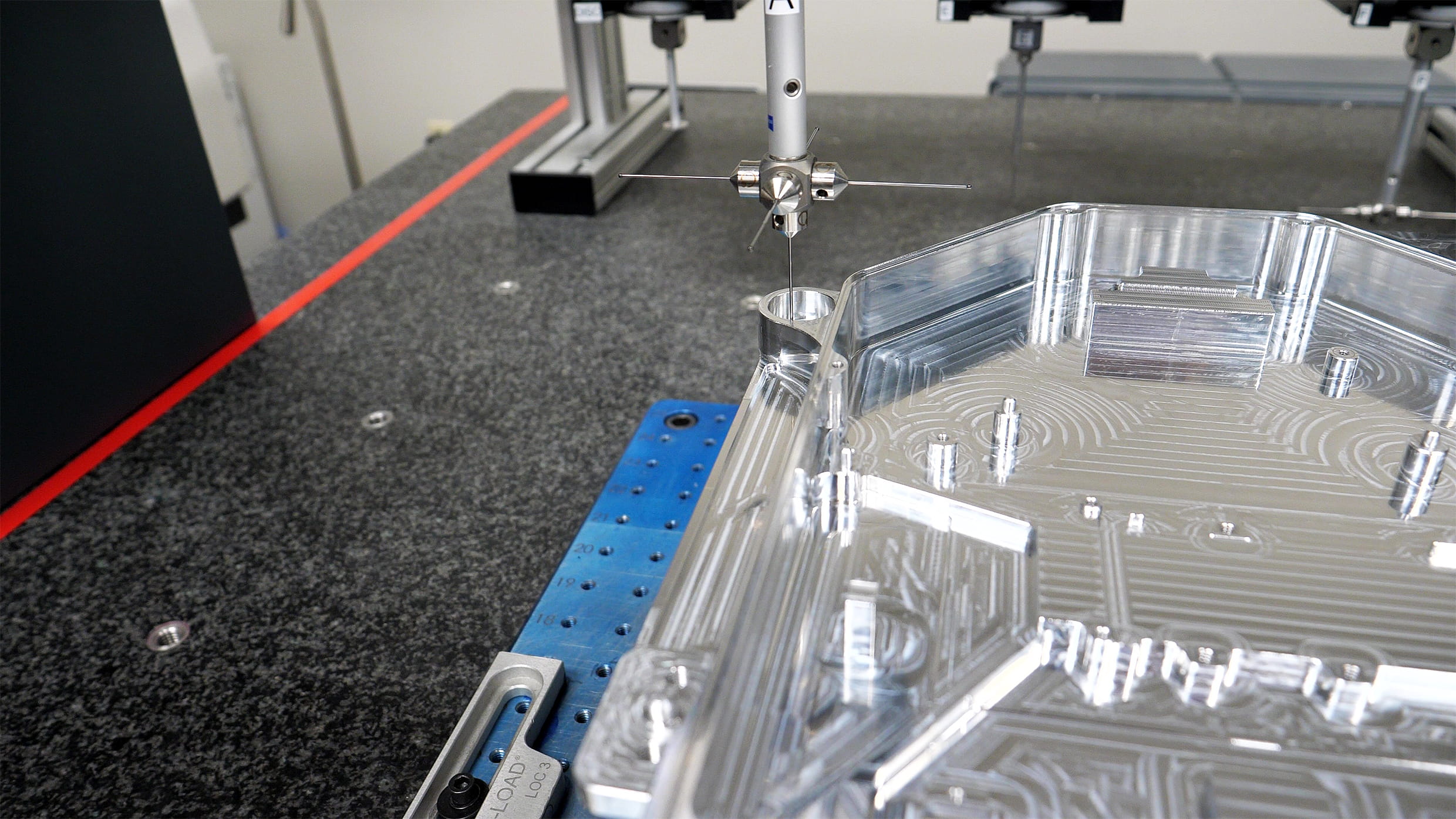
Probing operation verifying the dimensional integrity of large-format, complex milled components mapping the surface topography and critical bore alignments ensuring micron level specs are met.
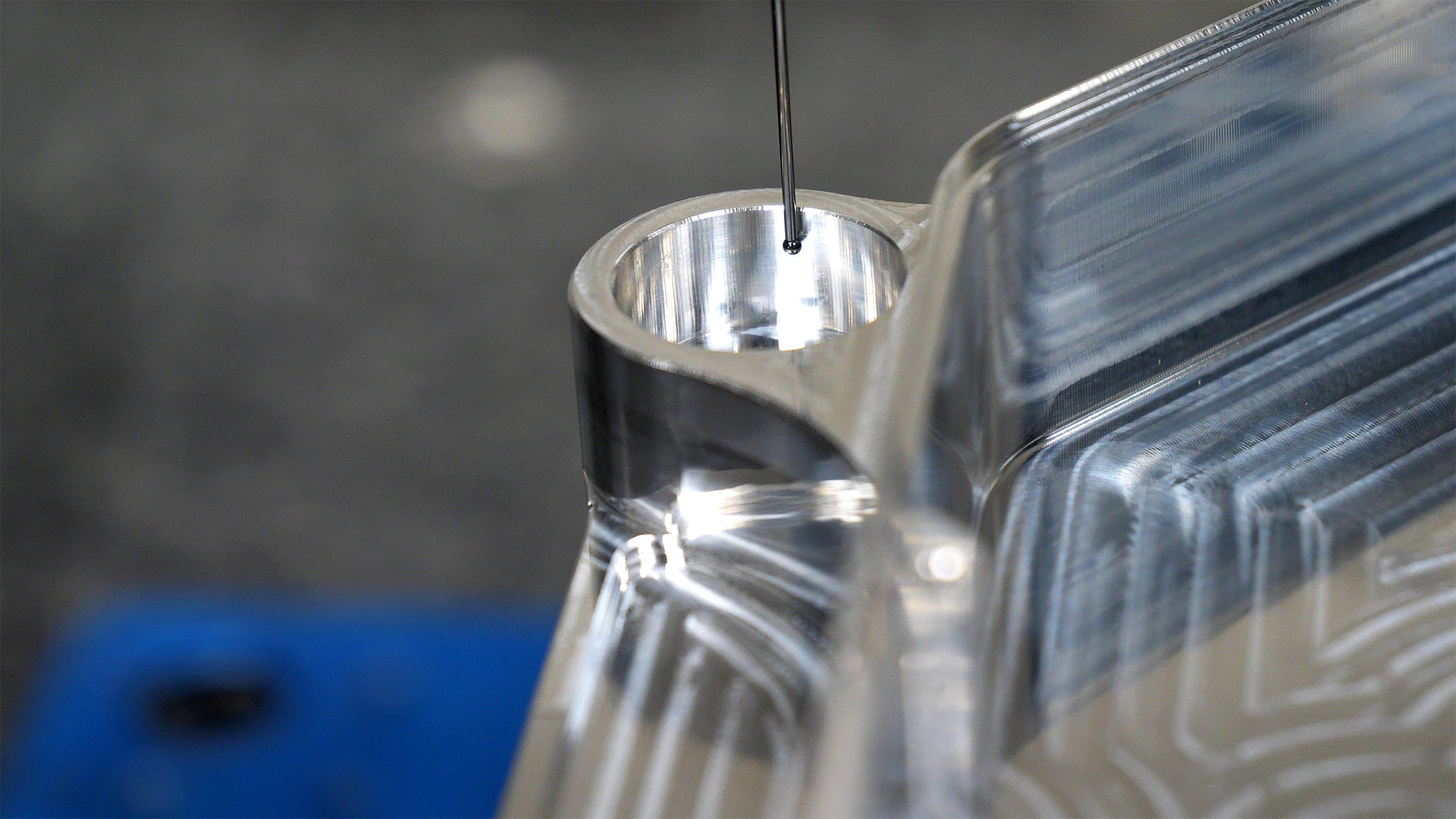
Close-up probing operation of a pocket for large-format complex milled component.
From Predictable Processes to Lights-Out Manufacturing
“Once processes became predictable, automation followed naturally”. This is how WPP successfully created a lights-out machining environment. After-hours runtime increased and machine utilization improved — without increasing personnel.
“Once we had those foundation building blocks in place, we could start adding automated steps to make our lives easier,” said Tyler Bureau, WPP Manufacturing Director.
hyperMILL® became the digital backbone of WPP’s Industry 4.0 manufacturing strategy. By implementing the CAM software across the entire shop, WPP created a unified digital programming environment with:
- Shared tool libraries
- Standardized speeds and feeds
- Consistent setup documentation
- Repeatable roughing and finishing strategies
This eliminated variation between machines and programmers, reduced fear of crashes, and increased productivity. “When you trust the code, you move faster. You’re not worrying about crashes. You can focus on productivity.” said Bureau.
With integrated simulation, probing, and motion optimization working together, programming became more predictable and machining more autonomous.
Confident Programming with Digital-twin Validation and Expected Results
At Western Precision Products, hyperMILL® connects digital planning directly to predictable machine execution.
With hyperMILL® VIRTUAL Machining Center and Optimizer, the team created an efficient programming environment built on what Bureau described as “a standardized framework and platform for the team to work from.”
For the CAM team, confidence in programming complex 5-axis aerospace components which include structural housings, brackets, and high-precision production parts, allows them to focus on throughput instead of troubleshooting, dramatically improving productivity.
hyperMILL® VIRTUAL Machining Center reinforces that trust through NC-code-based simulation on a digital twin of the actual machine. “We knew what we were going to get on the machine because it was an exact match,” he says. Instead of reacting to machine alarms on the floor, discrepancies are identified during programming. “I’m no longer trying to figure out why the machine alarmed. It’s going to catch it way before then.” said Lewis.
The result is a streamlined workflow that requires minimal iteration and supports unattended runtime. “It typically only takes one programming attempt to get the toolpath you want,” the CAM Manager notes. And when stepping away from the machine, “I’ll walk away because I know nothing bad is going to happen.” reaffirmed Lewis.
Together, standardized programming, digital twin validation, and intelligent optimization have created a machining environment where complex aerospace parts run predictably, efficiently, and with measurable confidence.